In Focus: Vienna’s Hidden Village
The story behind the Greenfields in Floridsdorf (21) and how the government is getting rid of them
This is an automatic translation. Read the original
(Photos: Victor Stanovoy)
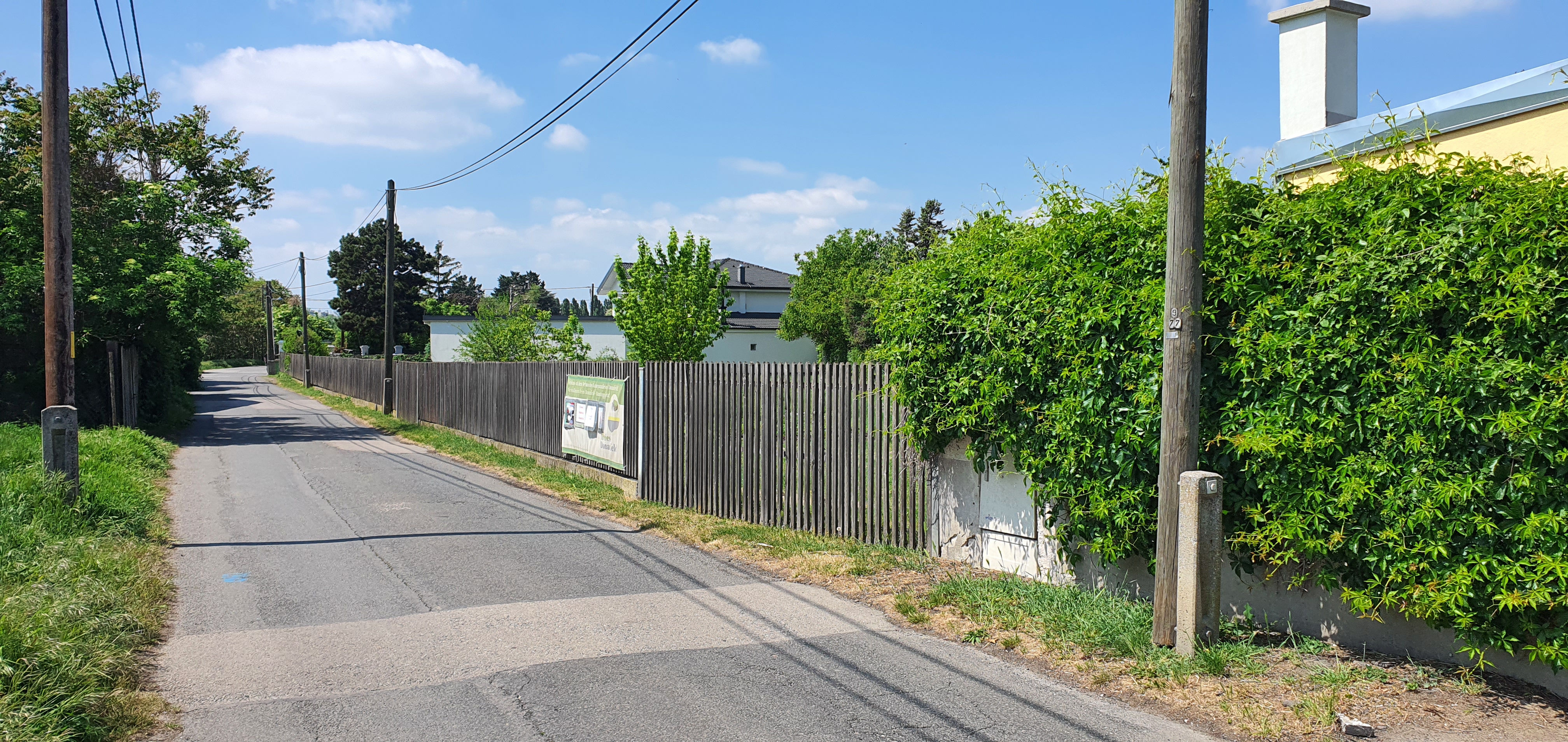
You probably clicked on this article after first seeing the cover image, didn’t you? But what if I told you that this picture was taken right outside the school, Vienna International School, where you are most likely sitting right now? You’d probably say, “Impossible — that looks more like a village than something you’d find in one of Europe’s major cities.”
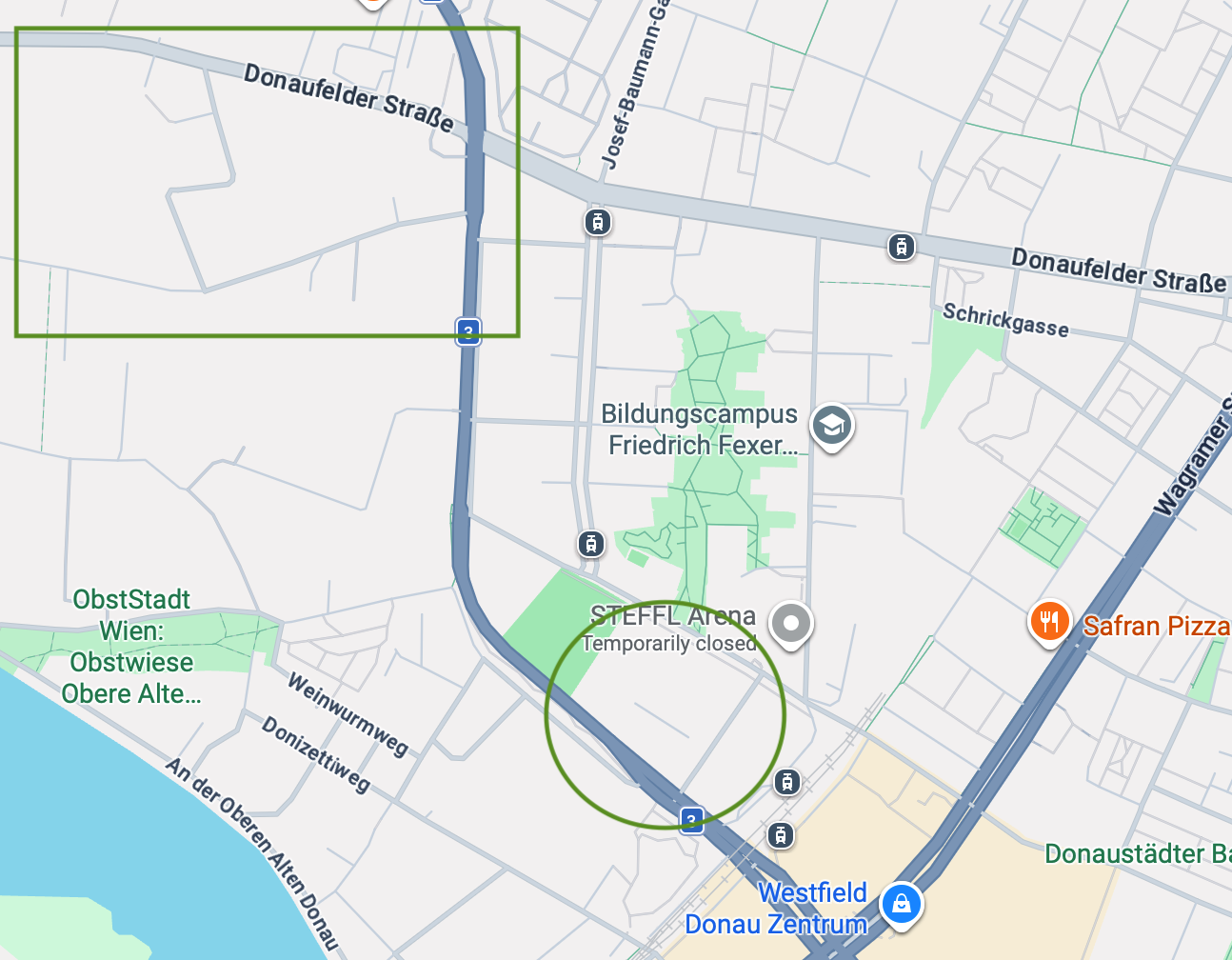
If you look at the map above in the article’s image grid, you can spot two distinct green shapes. The small circle in the bottom-right corner marks the school grounds, while the much larger square highlights the green space this article focuses on. This small village-like area, which feels more like the outskirts of Vienna than the middle of the city, is actually located right here — and it has become one of the most beautiful and fascinating places I’ve visited in Vienna over the past week.
Although there is one sad thing about this place: it is endangered. The authorities of Vienna are planning to replace much of this beautiful green space with new buildings, roads, and additional living space. Supporters of the plans argue that Vienna’s growing population needs more apartments and housing. But critics say the city could lose something far more valuable in the process.
Walking through this area feels completely different from walking through the crowded streets of central Vienna. There are open fields, quiet paths, small farms, and stretches of nature that almost make you forget you are inside a capital city with nearly two million people. On windy days, you can hear birds instead of traffic. During sunset, the fields glow orange and gold while the skyline rises in the distance behind them. It is one of those rare places where the city and nature still exist side by side.
Yet slowly, that balance is beginning to disappear.
Construction projects around Floridsdorf and nearby districts have expanded rapidly in recent years. Empty land that once stayed untouched for decades is now being prepared for future development. More cranes appear every year, and more green areas are turning into construction zones. While some people see progress, others see the gradual disappearance of one of Vienna’s most unique characteristics: having nature so close to everyday urban life.
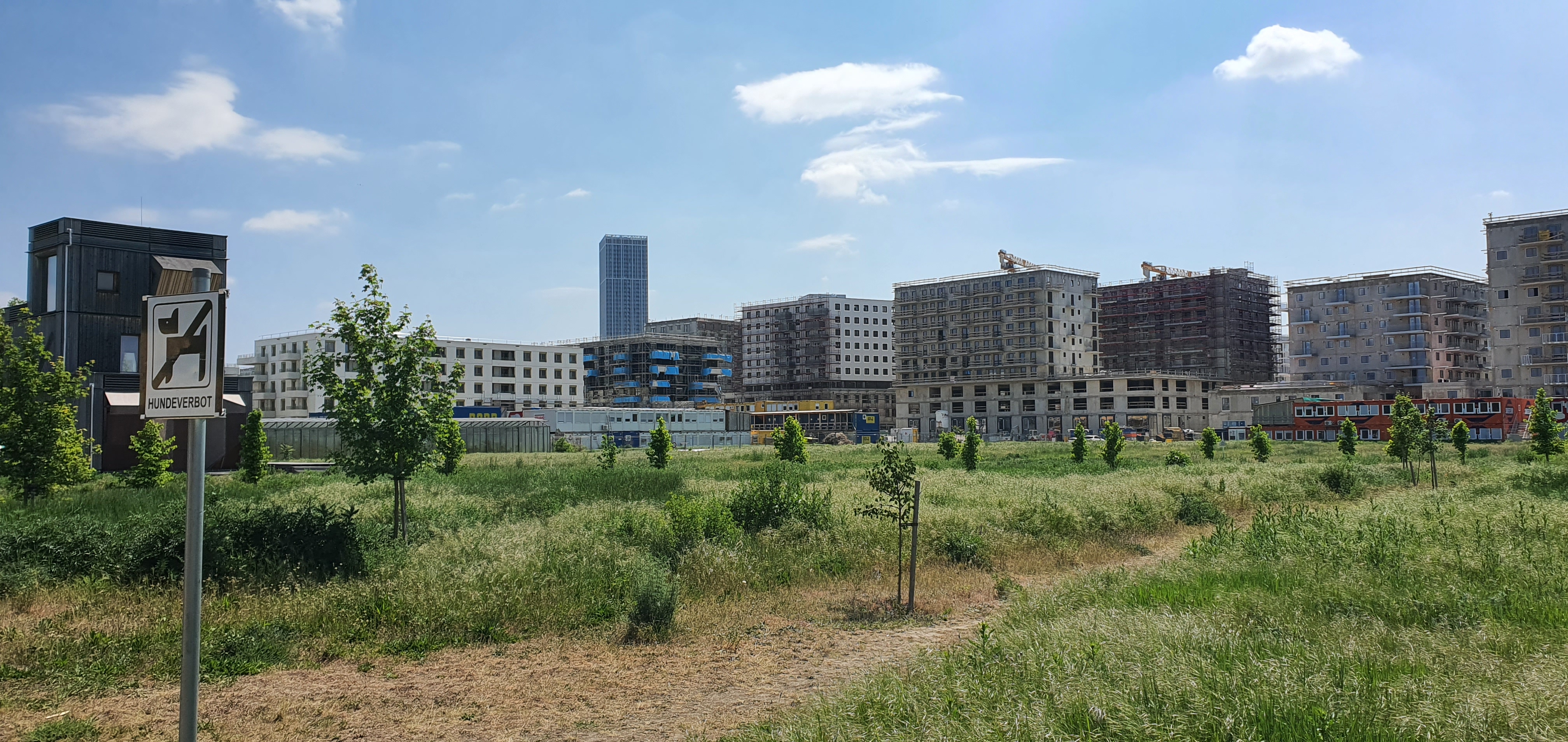
The issue is complicated. Vienna truly does need more housing, especially as more people continue moving into the city each year. Apartments are becoming harder to find, and prices continue to rise. City planners argue that building new residential areas is necessary for the future of Vienna. However, many residents believe that destroying large green spaces should not be the solution.
Green areas like these are more important than they may first appear. They help cool the city during increasingly hot summers, improve air quality, provide habitats for wildlife, and give people places to relax away from concrete and traffic. In a time when climate change is becoming more visible every year, losing natural spaces inside cities could create long-term consequences.
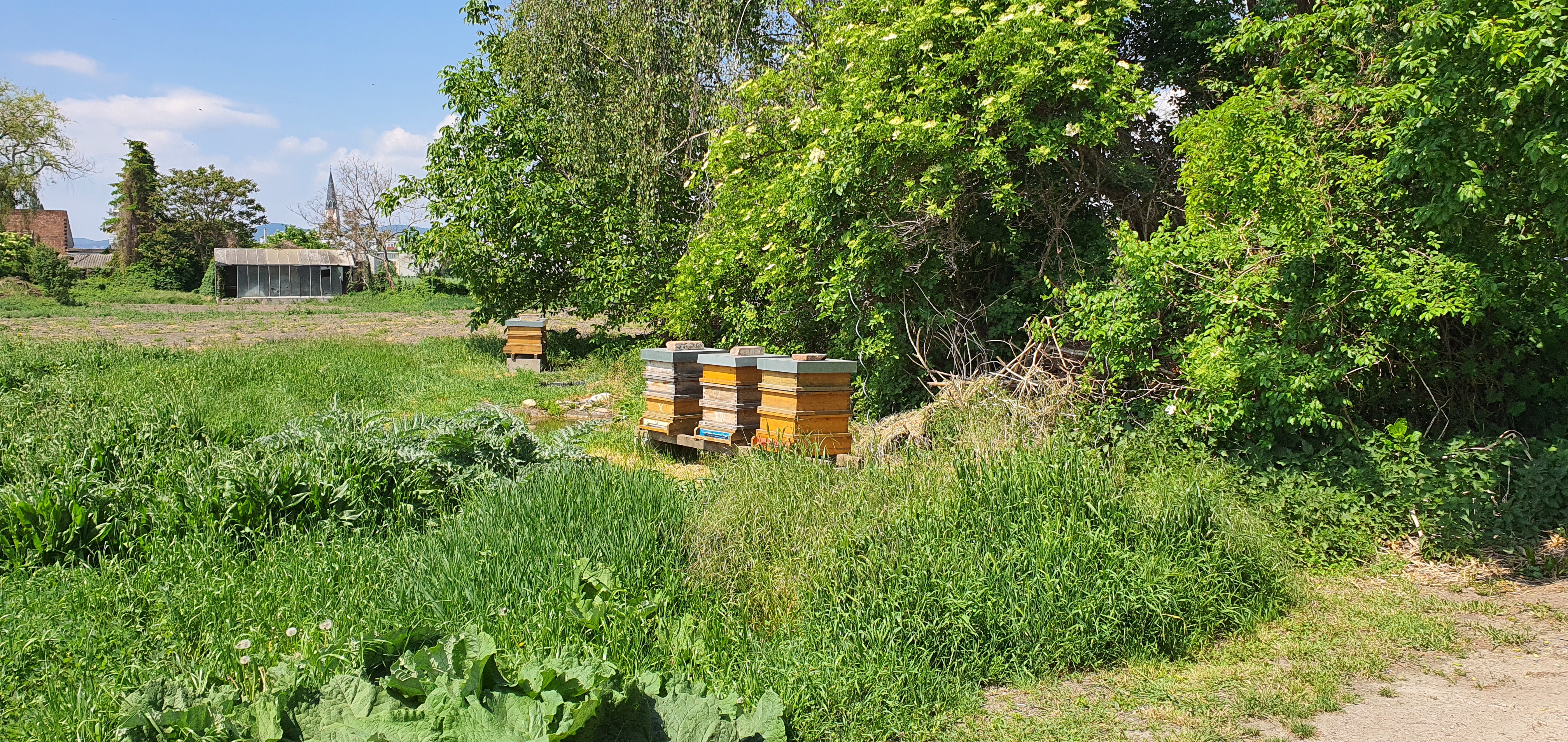
Perhaps the saddest part is that many students at VIS may not even realize these fields exist. From inside classrooms, Vienna can feel like a completely urban environment. But just beyond the school lies a landscape that feels almost hidden — a reminder of what this area looked like before roads, towers, and apartment blocks took over much of the city.
The question now is not whether Vienna will continue growing. It almost certainly will. The real question is how much nature the city is willing to sacrifice along the way.
And maybe, years from now, the image at the beginning of this article will no longer show open fields and quiet paths — but only concrete, glass, and cranes.