Comparing the two categories of protest
Comparing violent and non violent protest
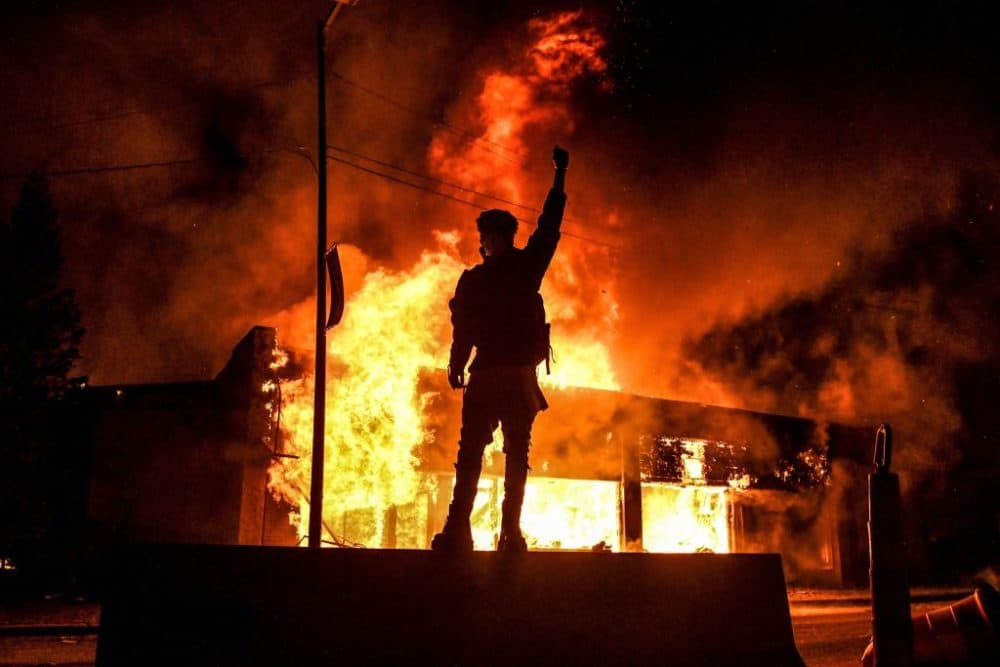
Violent Protest
Violent protest is a form of protest in which participants commit acts of violence or terrorism. In the eighteenth and early nineteenth centuries, violent protest was the primary form of rebellion against oppressive governments. If these rebellions were large enough, they were called revolutions. A famous unsuccessful example of this is the French Revolution, in which the French people rebelled against the monarchy and brought it down brutally, executing the king and queen and many more. A famous successful example of this is the American Rebellion, in which the Americans led a bloody war against the British for their independence. Terrorism was also considered a fun way to violently protest. One of the most notable examples of this is the tragic assassination of Archduke Franz Ferdinand in Sarajevo in 1914.
Non violent protest*
Non violent protest is a peaceful form of protest in which participants fo not commit acts of violence or terrorism. It was first thought of in the mid nineteenth century and is still widely in use today. A famous example of this is the movement led by Mahatma Gandhi to free India from British oppression. Another example of this is the movement led by Martin Luther King Jr. around 1947 against segregation against blacks.
Something interesting
Even though non violent protest is considered a contemporary and better form of protest and has been proven to be more effective than violent protest, violent protest is still widely in use. An example of this is the 2011 incident with the World Trade Centre in New York (America).
*For more information on this topic, look at the article dedicated to it titled: "In Focus: The Power of Peaceful Protest in 2026".
Sources:
- https://www.ebsco.com/research-starters/religion-and-philosophy/violent-protest-overview
- Grade 08 Humanities (Unit- Taking Action)
- Victor added the picture from who knows where.