Food Waste: A Global Problem
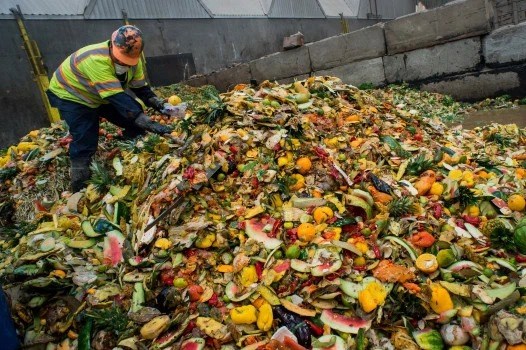
Food waste is a significant and persistent issue affecting societies across the globe. Each year, vast quantities of food intended for human consumption are lost or discarded. According to the Food and Agriculture Organization, approximately one-third of all food produced worldwide is wasted. This problem extends beyond inefficiency, contributing to environmental degradation, economic loss, and social inequality.
Food waste occurs at various stages of the supply chain, from agricultural production to final consumption. In higher-income regions such as Europe and North America, a substantial portion of waste takes place at the consumer level due to over-purchasing, improper storage, and the disposal of edible leftovers. In contrast, lower-income regions often experience food loss earlier in the process, largely because of inadequate infrastructure, limited storage facilities, and inefficient transportation systems.
The environmental consequences of food waste are considerable. Producing food requires significant amounts of water, energy, and land. When food is wasted, these resources are also squandered. Furthermore, decomposing food in landfills generates methane, a greenhouse gas that contributes significantly to climate change. As a result, food waste plays a notable role in global environmental challenges.
From an economic perspective, food waste represents a substantial financial loss for producers, retailers, and consumers alike. At the same time, millions of people around the world continue to face hunger and malnutrition. Organizations such as the World Food Programme work to combat food insecurity, yet reducing food waste could greatly improve the availability of resources and alleviate pressure on global food systems.
Several factors contribute to the prevalence of food waste. These include overproduction, strict aesthetic standards that lead to the rejection of imperfect produce, confusion regarding expiration dates, and consumer behavior patterns such as excessive purchasing. Addressing these issues requires coordinated efforts across multiple sectors.
Effective solutions to food waste involve action at the individual, corporate, and governmental levels. Consumers can adopt more responsible purchasing and consumption habits, while businesses can improve supply chain efficiency and donate surplus food. Governments can introduce policies that encourage waste reduction and invest in infrastructure improvements. Additionally, technological innovations can enhance the monitoring and distribution of food resources.
In conclusion, food waste is a global problem with serious environmental, economic, and social implications. However, it is also a challenge that can be mitigated through collective action and informed decision-making. Reducing food waste is essential for promoting sustainability, conserving resources, and ensuring a more equitable distribution of food worldwide.

