Breaking News: The Rise of Vaping in Vienna’s Schools
This is an automatic translation. Read the original
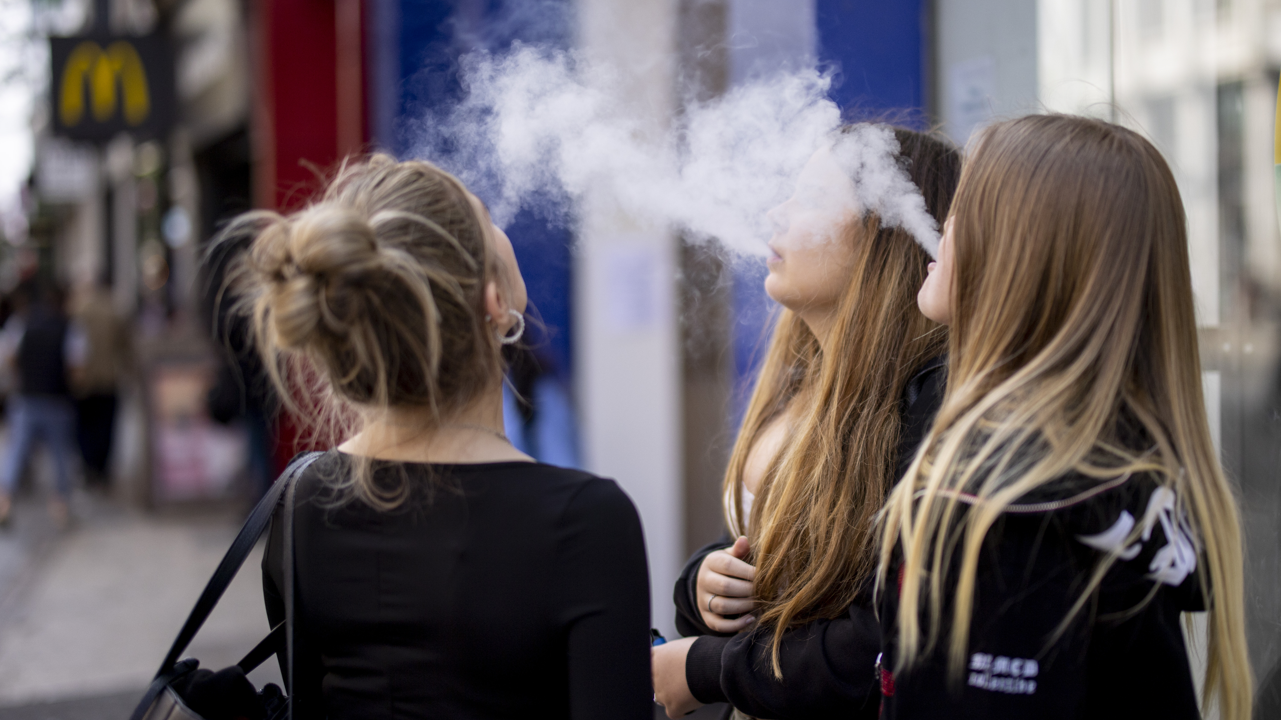
A growing concern in Vienna is the rapid increase in vaping among students—both inside and outside school grounds. What was once seen as a niche alternative to smoking has become a widespread trend among teenagers, raising alarms among educators, parents, and policymakers.
Recent data across Austria shows that a significant share of teenagers regularly use e-cigarettes, with around 28% of 15-year-olds reporting use in surveys. This rise is linked to products that are cheap, flavored, and heavily promoted on social media.
Why This Is Happening
Several factors are driving the surge:
- Flavored vapes (e.g., mango, cola) that appeal to young users}
- Easy access, including weak age verification online}
- Perception that vaping is “safe” compared to smoking}
- Peer influence and social media trends}
Disposable vapes, in particular, are a major issue. They are inexpensive, brightly colored, and often marketed as lifestyle products—making them especially attractive to students.
Health and School Impact
The consequences are already visible in schools:
- Nicotine addiction develops at a young age
- Disruption of classes and bathroom misuse for vaping
- Increased health risks, including exposure to toxic substances
- Environmental issues from discarded devices with lithium batteries
Experts warn that these devices can contain high doses of nicotine salts, making addiction faster and stronger than traditional cigarettes.
Government Response in Austria
Austria is beginning to act:
- New 2026 laws tighten control on vape sales
- Products increasingly restricted to licensed tobacconists
- Online sales are heavily limited or banned
- Taxes on e-liquids and nicotine products are rising
There are also plans to ban disposable e-cigarettes entirely by the end of 2026, specifically targeting youth usage.
How Schools and Society Can Fix It
Solving the vaping problem requires more than just laws. A combination of strategies is needed:
- Stricter enforcement of age restrictions in shops and online
- Education programs showing real health risks, not just warnings
- School policies with clear consequences and support systems
- Limiting flavors and marketing aimed at young people
- Providing alternatives such as counseling for addicted students
Importantly, experts emphasize that punishment alone is not effective—students already addicted need support, not just discipline.
Conclusion
The rise of vaping in Vienna’s schools reflects a broader shift in youth behavior and modern nicotine products. While new laws are a step forward, the issue remains complex, combining health, social, and regulatory challenges.
If current trends continue, vaping could become one of the defining public health issues for this generation. The response now—by schools, families, and governments—will determine whether it is contained or allowed to grow further.
Bibliography:
Bbci.co.uk, 2026, c.files.bbci.co.uk/524e/live/f82b61e0-0313-11f0-81d9-675e79ab7115.png. Accessed 16 Apr. 2026.