Ebola Outbreak Spreads Across the Democratic Republic of the Congo
A rapidly spreading outbreak is putting communities and healthcare workers under growing pressure.
Ebola Outbreak Spreads Across the Democratic Republic of the Congo
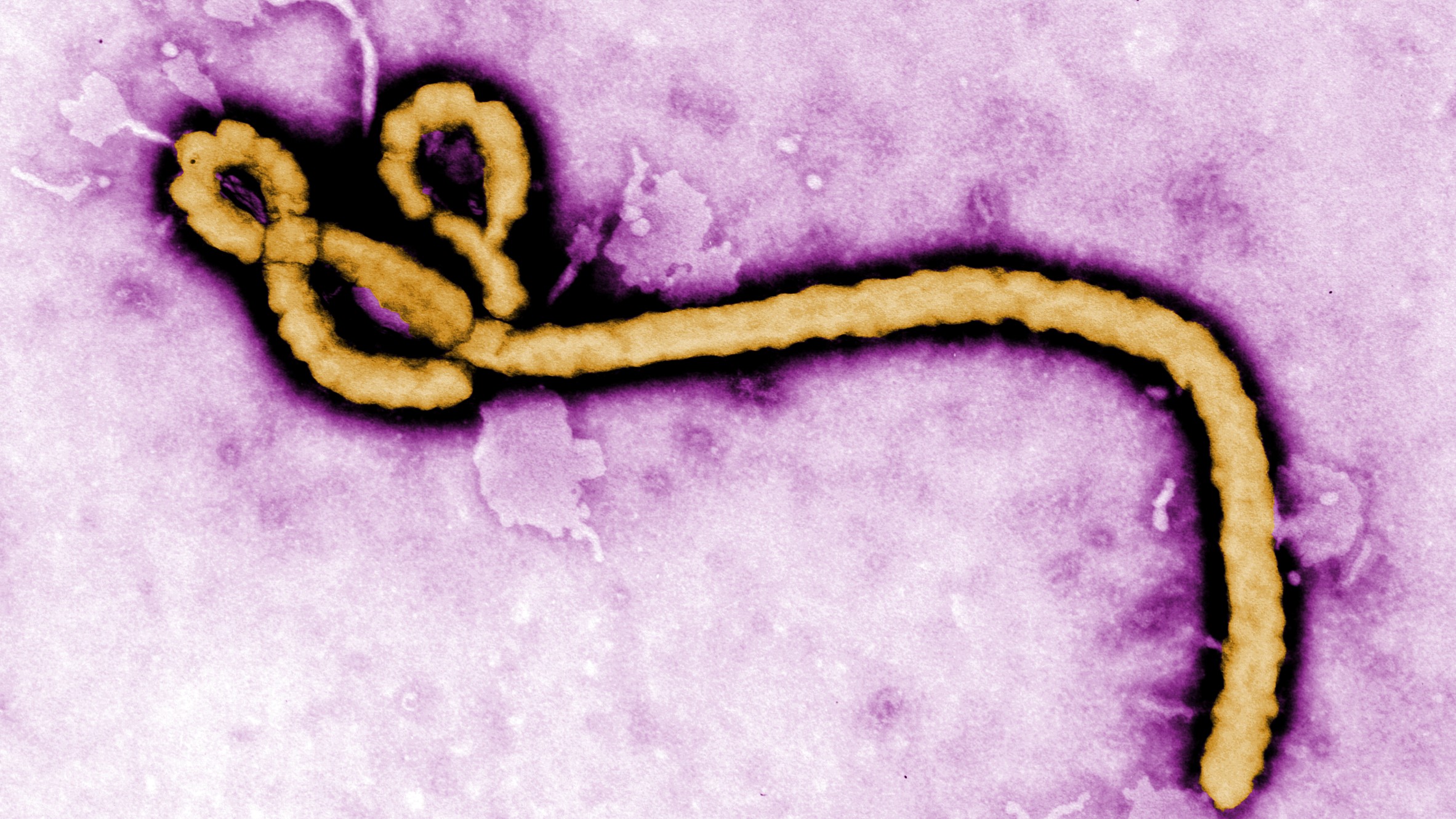
A major Ebola outbreak is spreading through the Democratic Republic of the Congo (DRC), creating a serious health emergency in the country. The outbreak, which was officially declared in May 2026, is caused by the Bundibugyo virus, a less common type of Ebola virus. It began in Ituri Province in northeastern DRC and has since spread to several other provinces. The World Health Organization (WHO) has declared the outbreak a Public Health Emergency of International Concern.
The outbreak has grown extremely quickly. By late August, more than 5,500 confirmed cases and 2,600 deaths had been reported. By September 2, reports indicated that the number of deaths had passed 3,000, with more than 6,000 confirmed cases. This makes it the largest Ebola outbreak caused by the Bundibugyo virus ever recorded and one of the largest Ebola outbreaks in history.
Why Is It Spreading So Quickly?
Several factors are making the outbreak difficult to control. Parts of eastern DRC are affected by armed conflict, making it dangerous and difficult for healthcare workers to reach communities. People also move frequently between towns and across borders for work, trade and mining, which can allow the virus to spread to new areas. Weak healthcare infrastructure and shortages of healthcare workers make the situation even more challenging.
Another problem is that many infections are not being identified as part of known transmission chains. This makes contact tracing much more difficult. Health workers also face attacks, difficult working conditions and shortages of resources while trying to treat patients and prevent further infections.
What Is Being Done?
The Congolese government, WHO and international health organizations are working to slow the spread of the disease. Healthcare teams are testing suspected cases, tracing people who have been in contact with infected patients, disinfecting healthcare facilities and providing treatment to people who become sick.
New testing equipment has also been placed closer to affected communities. This allows healthcare workers to identify Ebola infections much faster instead of sending samples long distances to laboratories in Kinshasa, the capital. Faster testing can help infected people receive care sooner and makes it easier to find and isolate other cases.
Researchers are also working on treatments and vaccines specifically targeting the Bundibugyo virus. Existing Ebola vaccines were developed primarily for the Zaire species of Ebola and do not provide the same protection against Bundibugyo virus. Clinical trials for potential treatments and new vaccines are therefore especially important during this outbreak.
The Impact on Everyday Life
The outbreak is affecting much more than hospitals. Families are dealing with illness and deaths, while schools and communities are having to introduce additional safety measures. Schools in affected areas reopened at the beginning of September with measures such as handwashing stations and hygiene supplies to reduce the risk of transmission.
Despite the seriousness of the outbreak, health workers and local communities continue working to control the virus. Improving trust between communities and healthcare workers is an important part of the response, especially in areas where people may be afraid or distrustful of authorities.
The Ebola outbreak in the DRC is a major humanitarian and public-health challenge. However, rapid testing, careful monitoring, treatment, community cooperation and international support can help slow transmission. The coming weeks will be especially important as health authorities attempt to prevent the outbreak from growing even further.
Sources & credits
- World Health Organization (WHO) — Ebola outbreak in the Democratic Republic of the Congo https://www.who.int/emergencies/situations/ebola-outbreak---drc-2026
- Reuters — Congo's Ebola outbreak kills more than 3,000, government figures show
https://www.reuters.com/business/healthcare-pharmaceuticals/congos-ebola-outbreak-kills-more-than-3000-government-figures-show-2026-09-02/ - Reuters — WHO's Tedros says Ebola response must be scaled up to tackle Congo outbreak
https://www.reuters.com/business/healthcare-pharmaceuticals/whos-tedros-says-ebola-response-must-be-scaled-up-tackle-congo-outbreak-2026-09-02/ - Reuters — As schools re-open, Congo drops remote learning plan in Ebola red zone
https://www.reuters.com/world/africa/schools-re-open-congo-drops-remote-learning-plan-ebola-red-zone-2026-09-02/ - European Centre for Disease Prevention and Control (ECDC) — Ebola disease outbreak in the Democratic Republic of the Congo and Uganda
https://www.ecdc.europa.eu/en/ebola-outbreak-democratic-republic-congo-and-uganda

