2026: A Year of Scientific Breakthroughs — Promise and Consequences
Scientific Breakthroughs 2026
The year 2026 is rapidly becoming one of the most important turning points in modern science. From revolutionary medical treatments to powerful new space discoveries and advances in computing, humanity is stepping into a future that once felt like science fiction. Yet, as with all progress, these breakthroughs come with both remarkable benefits and serious concerns.
One of the most celebrated developments is the rise of early cancer detection through advanced blood testing. Scientists have created tests capable of identifying dozens of cancers long before symptoms appear. This could save millions of lives by allowing treatment to begin earlier and more effectively. However, this innovation also raises concerns. False positives could cause unnecessary panic, and access to such advanced healthcare may remain limited to wealthier populations, increasing global inequality.
Similarly, gene therapy has reached a new milestone, with researchers restoring hearing in patients born deaf using a single treatment. This breakthrough highlights the incredible potential of genetic medicine to cure conditions once thought permanent. On the other hand, it opens the door to ethical debates about genetic modification. If scientists can fix genes, could they also begin to “enhance” humans? The line between treatment and enhancement may become increasingly blurred.
In space exploration, missions like Artemis II and new observatories are expanding our understanding of the universe. The discovery of thousands of asteroids improves planetary defense and scientific knowledge. These achievements inspire global cooperation and curiosity. Yet, they also come with risks, including the growing problem of space debris and the potential militarization of space as more nations and private companies compete for dominance beyond Earth.
At the smallest scale, breakthroughs in particle physics are helping scientists better understand the fundamental building blocks of matter. Discoveries at organizations like CERN confirm long-standing theories and push the boundaries of human knowledge. While these findings are mostly positive, they also require massive funding and resources, raising questions about whether such investments should take priority over urgent global issues like poverty or climate change.
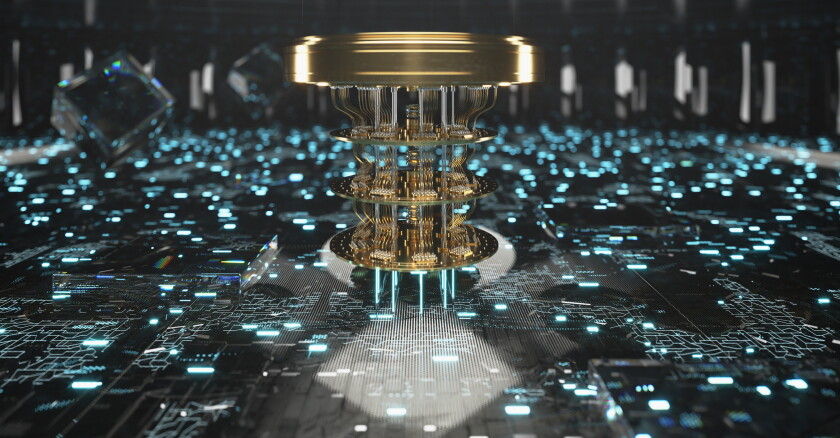
Meanwhile, advances in quantum computing are both exciting and alarming. These powerful machines could revolutionize industries, from medicine to artificial intelligence, solving problems far beyond the reach of today’s computers. However, they also threaten current encryption systems, which protect everything from personal data to global financial networks. A future where encryption can be easily broken could lead to widespread cybersecurity risks if new protections are not developed quickly.
Finally, regenerative medicine is bringing us closer to growing organs in laboratories, offering hope to patients waiting for transplants. This could eliminate organ shortages and save countless lives. Still, the technology is expensive and complex, and there are concerns about how fairly it will be distributed, as well as the long-term effects of lab-grown tissues.
Taken together, the breakthroughs of 2026 show that science is advancing at an extraordinary pace. These innovations have the potential to improve lives, extend lifespans, and deepen our understanding of the universe. At the same time, they challenge society to think carefully about ethics, fairness, and responsibility.
The future is no longer just about what we can achieve—but about how wisely we choose to use it.
Related Stories